Where do microplastics come from?
Microplastic pollution is not limited to bottles and straws. Many important sources are created gradually as products wear, shed, and weather.
Sources hidden in everyday use
Well established
- Tire wear
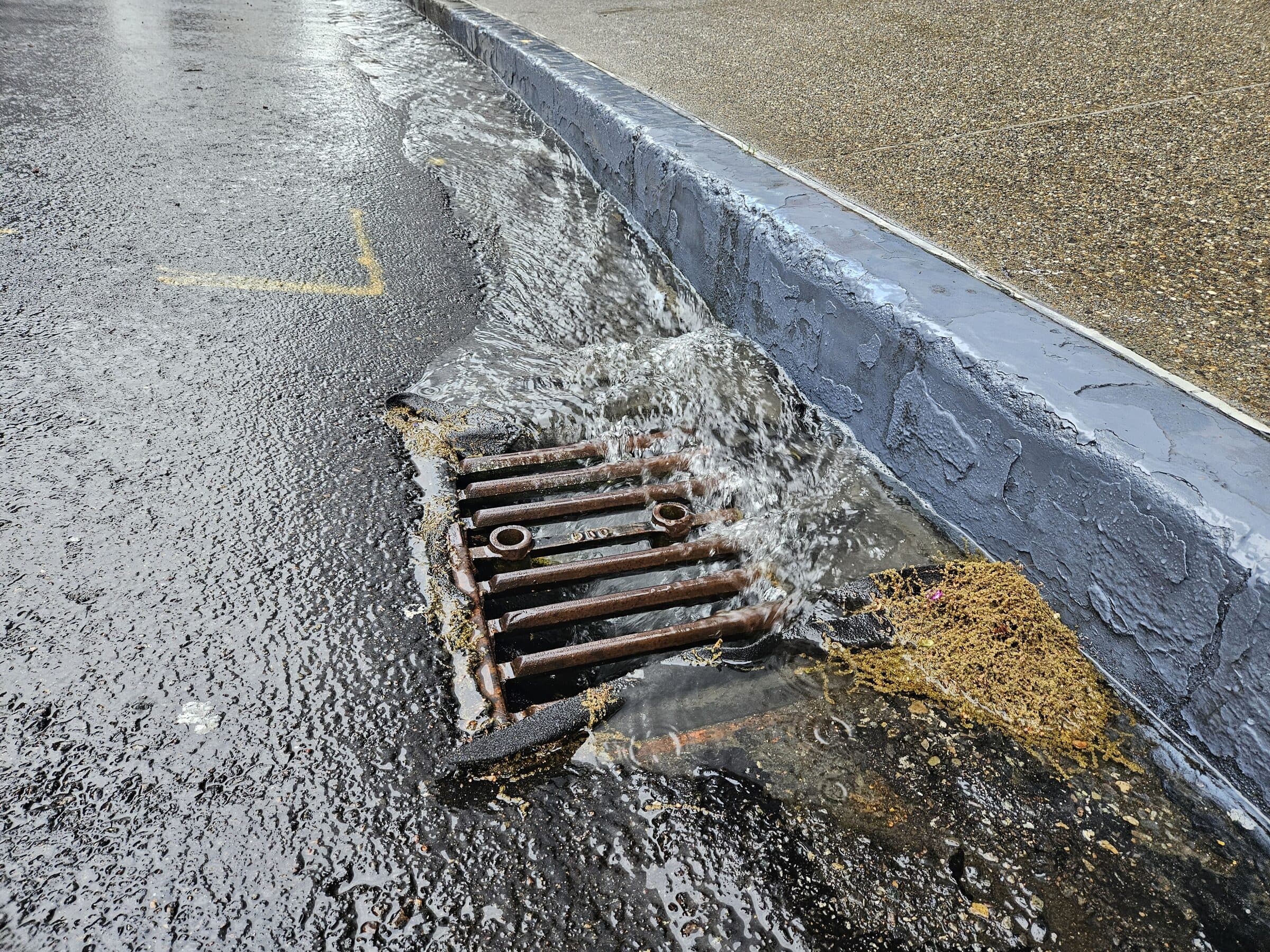
- Friction between tires and roads produces particles that can move with road dust, runoff, and air.
- Synthetic textiles
- Polyester, nylon, and other synthetic materials can shed fibres during manufacturing, wear, washing, and drying.
- Paint and coatings
- Building paint, road markings, marine coatings, and other painted surfaces release particles as they weather and abrade.
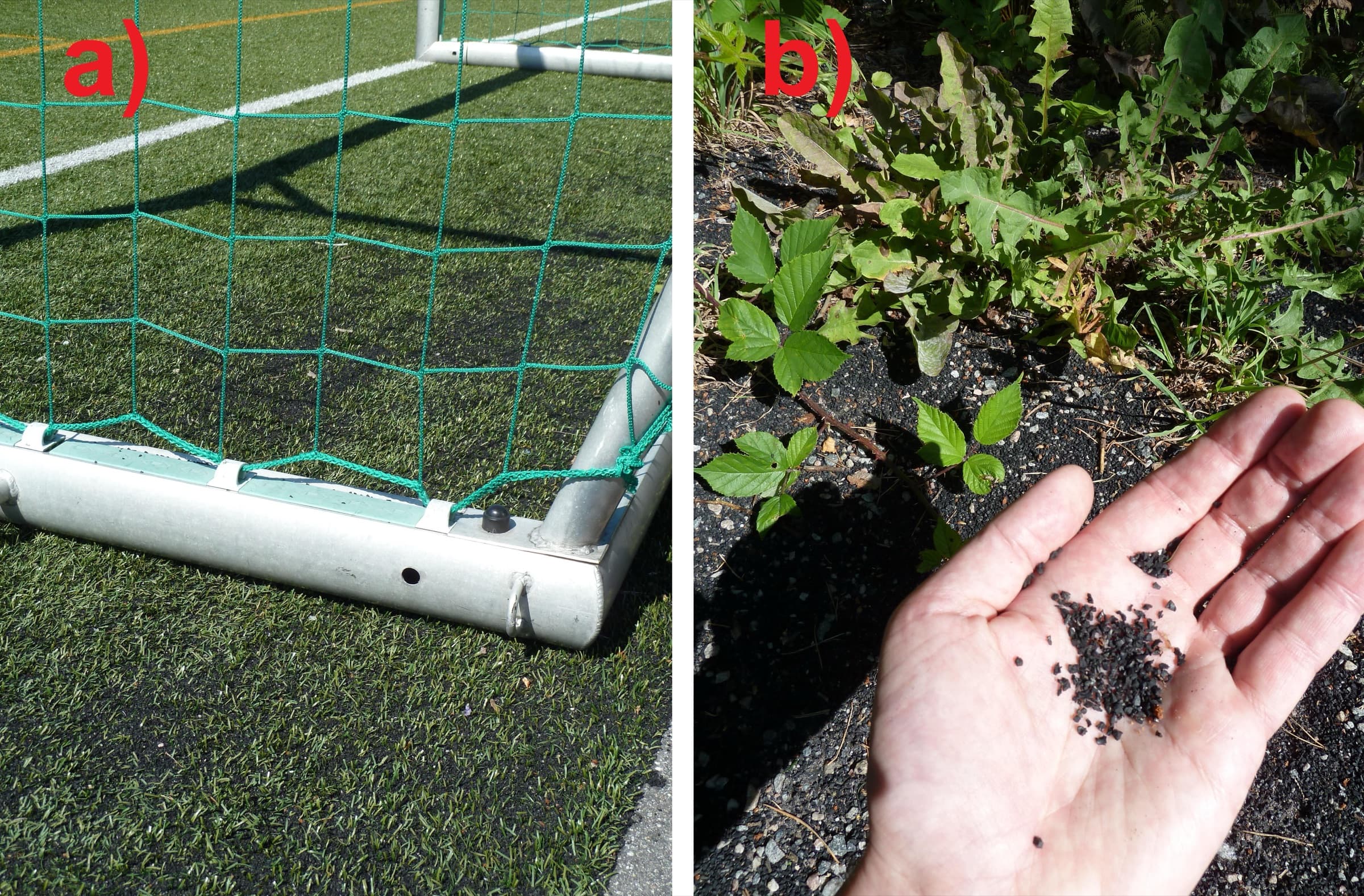
- Artificial turf
- Plastic grass blades and infill can fragment and migrate beyond playing surfaces.
- Packaging and litter
- Sunlight, heat, wind, waves, and friction make larger plastic brittle and break it into smaller pieces.
- Industrial pellets
- Small resin pellets used to manufacture plastic products can be lost during production and transport.
- Personal-care and industrial products
- Some products use intentionally manufactured small plastic particles, although restrictions differ by country and product.
A polyester garment’s possible path
EmergingFibres can be released while a garment is produced, worn, washed, or dried. Some are captured by filters or wastewater treatment; others may remain in sludge, enter rivers, settle into soil, or travel through air.
There is no single path for every fibre. Product construction, washing conditions, treatment systems, and local waste practices all affect where it goes.
- 1 · Make and wear
- Cutting, finishing, friction, and ordinary wear release fibres.
- 2 · Wash and dry
- Water and mechanical action carry shed fibres into wastewater; dryers can also move fibres into air and lint.
- 3 · Capture or pass through
- Filters and treatment retain some material. Performance changes with particle size and the local system.
- 4 · Water, sludge, soil, or air
- Uncaptured fibres and retained sludge follow different local pathways rather than one universal route.