430+ million tonnes
of plastic are produced annually.
UN Environment ProgrammeStart in California. Follow the evidence through our water, wildlife, food, and bodies—and see what you can do next.
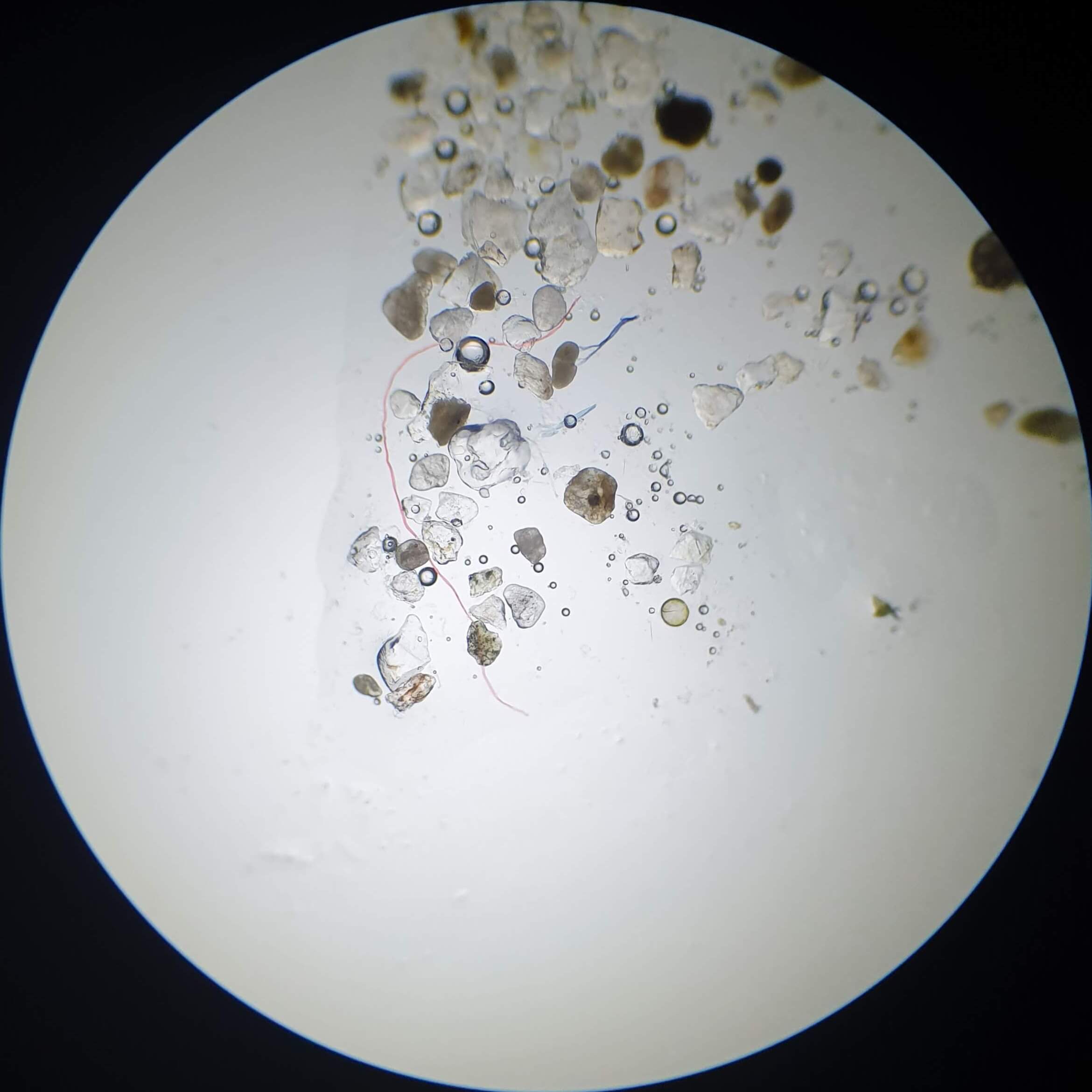
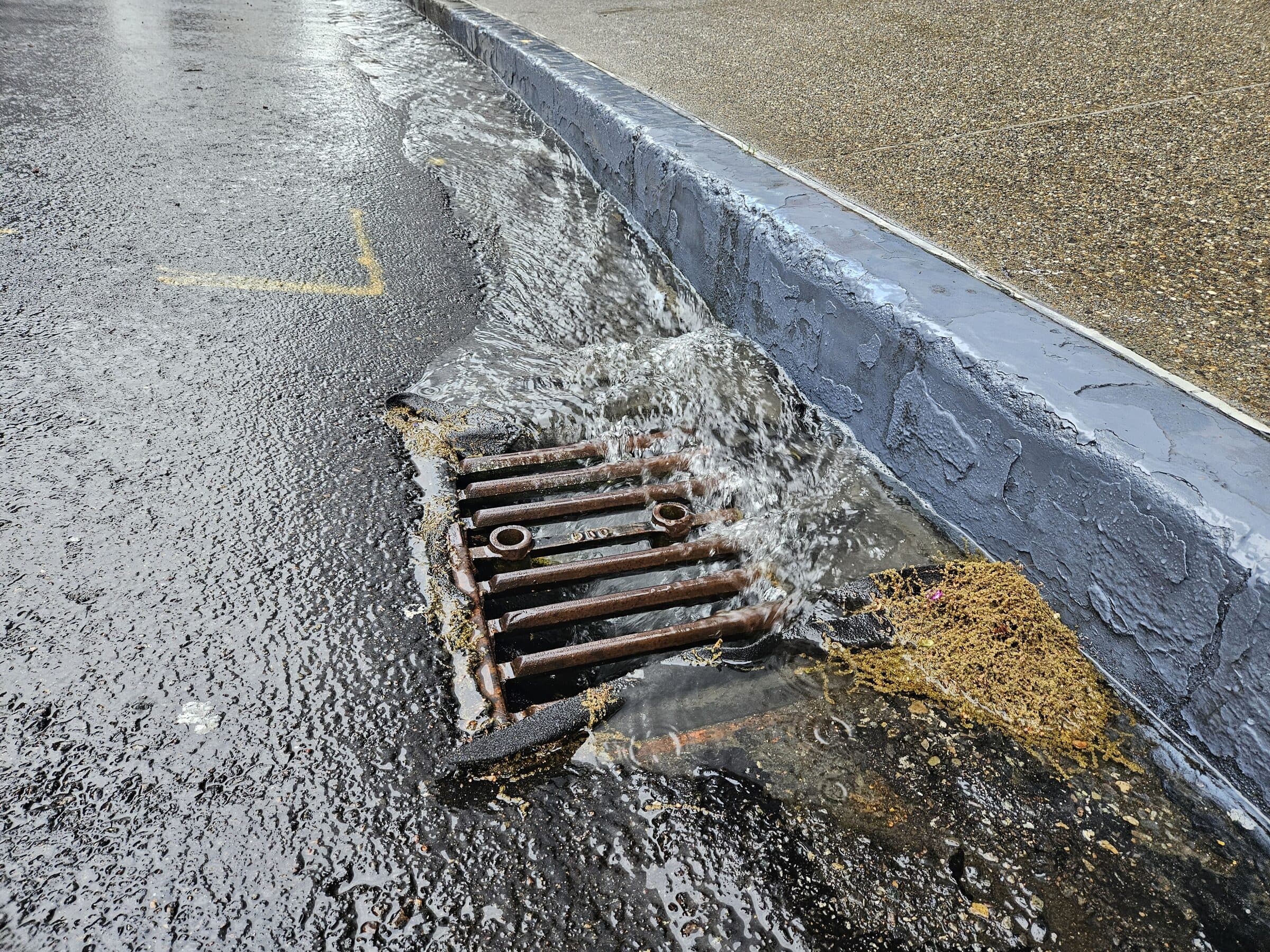
San Francisco Bay researchers found microplastics in stormwater, sediment, wastewater, and prey fish. Offshore, tagged whales helped reveal how exposure can move through krill into the largest animals on Earth.
430+ million tonnes
of plastic are produced annually.
UN Environment Programme2.7 million tonnes
of microplastics were estimated to enter the environment in 2020.
UNEP, citing OECD2× by 2040
Microplastic releases could double without further action.
UNEP, citing OECDMost microplastics are secondary particles, shed or fragmented from larger products as they are used and weathered.
Source: UNEP overview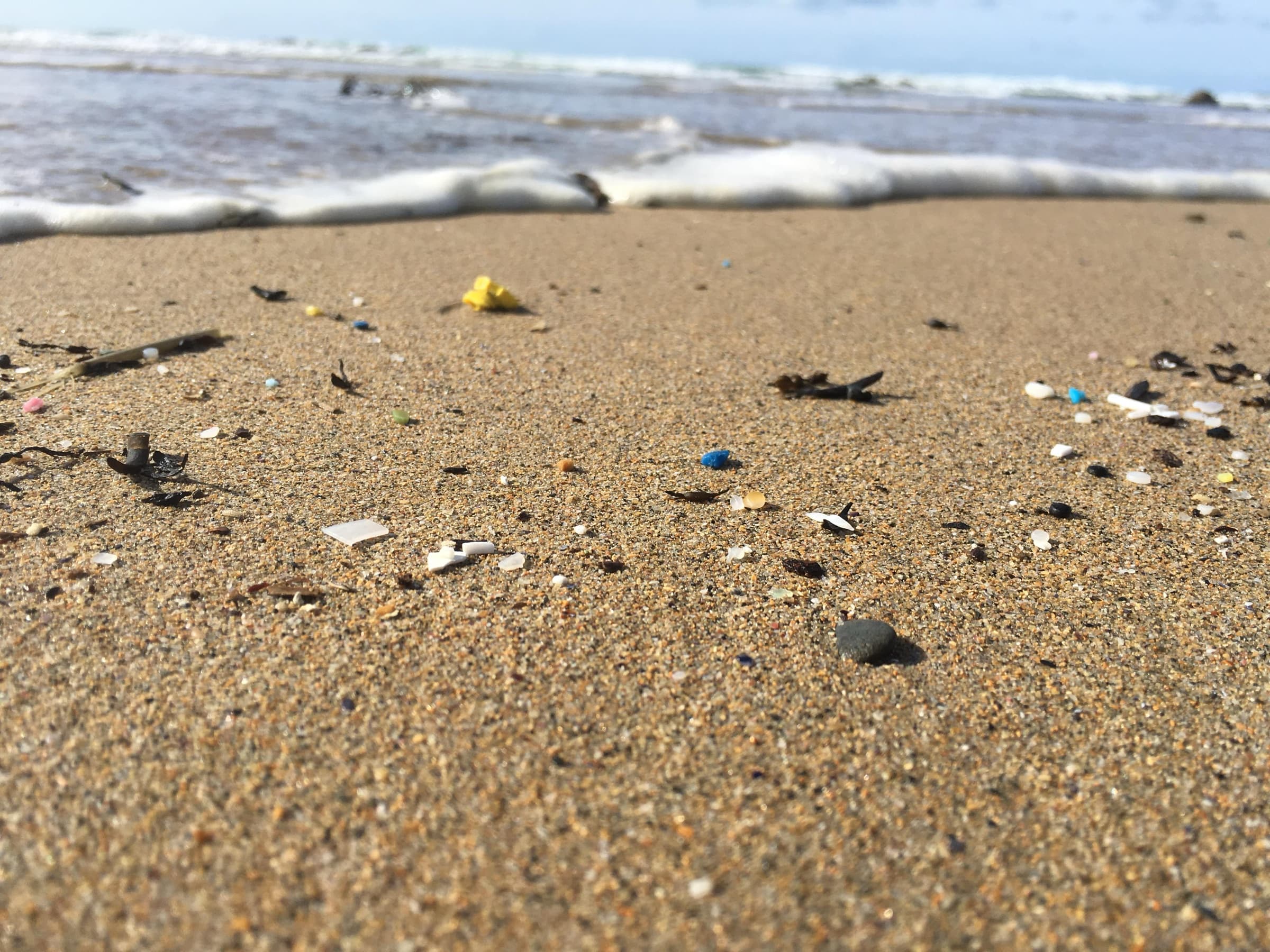
Wildlife and ecosystems
EmergingOrganisms ranging from plankton to marine mammals can ingest microplastics. Effects depend on species, particle type, size, and exposure level.
Human health
Still uncertainResearchers are investigating how particles enter the body and whether exposure contributes to disease. Findings are emerging; major uncertainties remain.
Microplastic pollution connects product design, waste, ecosystems, food systems, and human exposure.
How much might you consume? Which sources matter most where you live? Each tool answers one of them.
.jpg)