Food, water, and air
Microplastics have been reported across the things people eat, drink, and breathe. Reported concentrations vary by location, product, particle size, and detection method.
Drinking water
Well establishedStudies have reported particles in both tap and bottled water. A simple bottled-versus-tap rule is not supported across every place and study because water sources, treatment, packaging, and analytical methods differ.
WHO review: Microplastics in drinking-waterFood and drinks
Emerging- Seafood
- Shellfish eaten whole may include particles from the digestive tract; results vary by species and location.
- Salt and staple foods
- Particles have been reported in salt and other foods, but contamination control and identification quality vary.
- Beverages
- Studies include bottled water, beer, milk, tea, and other drinks, often with very different size thresholds.
- Food-contact materials
- Researchers study release from packaging and preparation. Release from an item is not always equal to the amount a person swallows.
Indoor air and dust
EmergingTextiles, furnishings, building materials, and outdoor air can contribute fibres and fragments indoors. Concentrations depend on the room, activity, ventilation, sampling duration, and the sizes a study can detect.
Why counts cannot be converted cleanly into mass
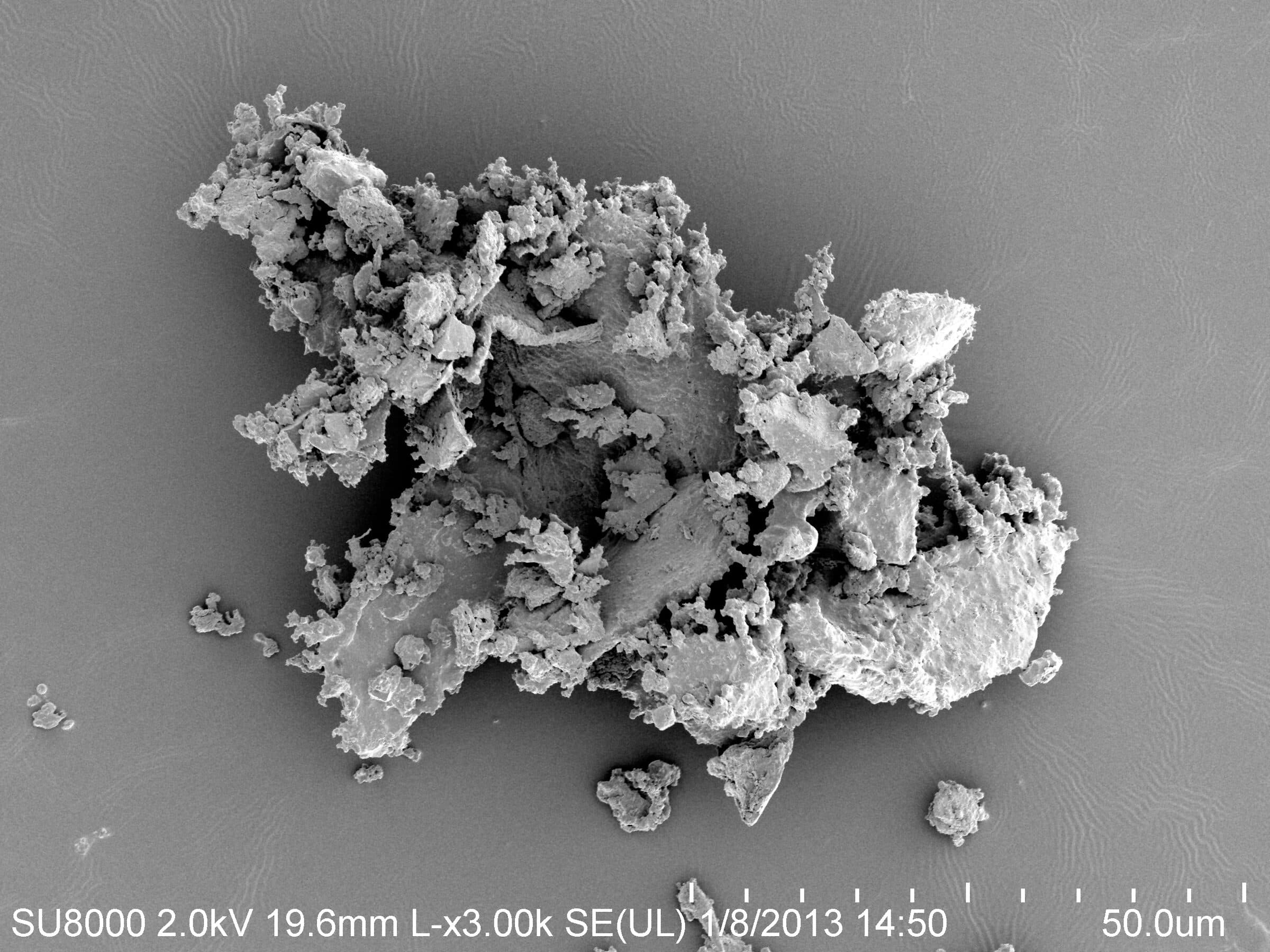
Well establishedA particle count treats a tiny fibre and a much larger fragment as one particle each. Converting count into mass requires reliable size, shape, thickness, and polymer-density information that many studies do not provide.