For educators
These classroom materials help students understand sources, pathways, measurement, and uncertainty without using fear as a teaching tool.
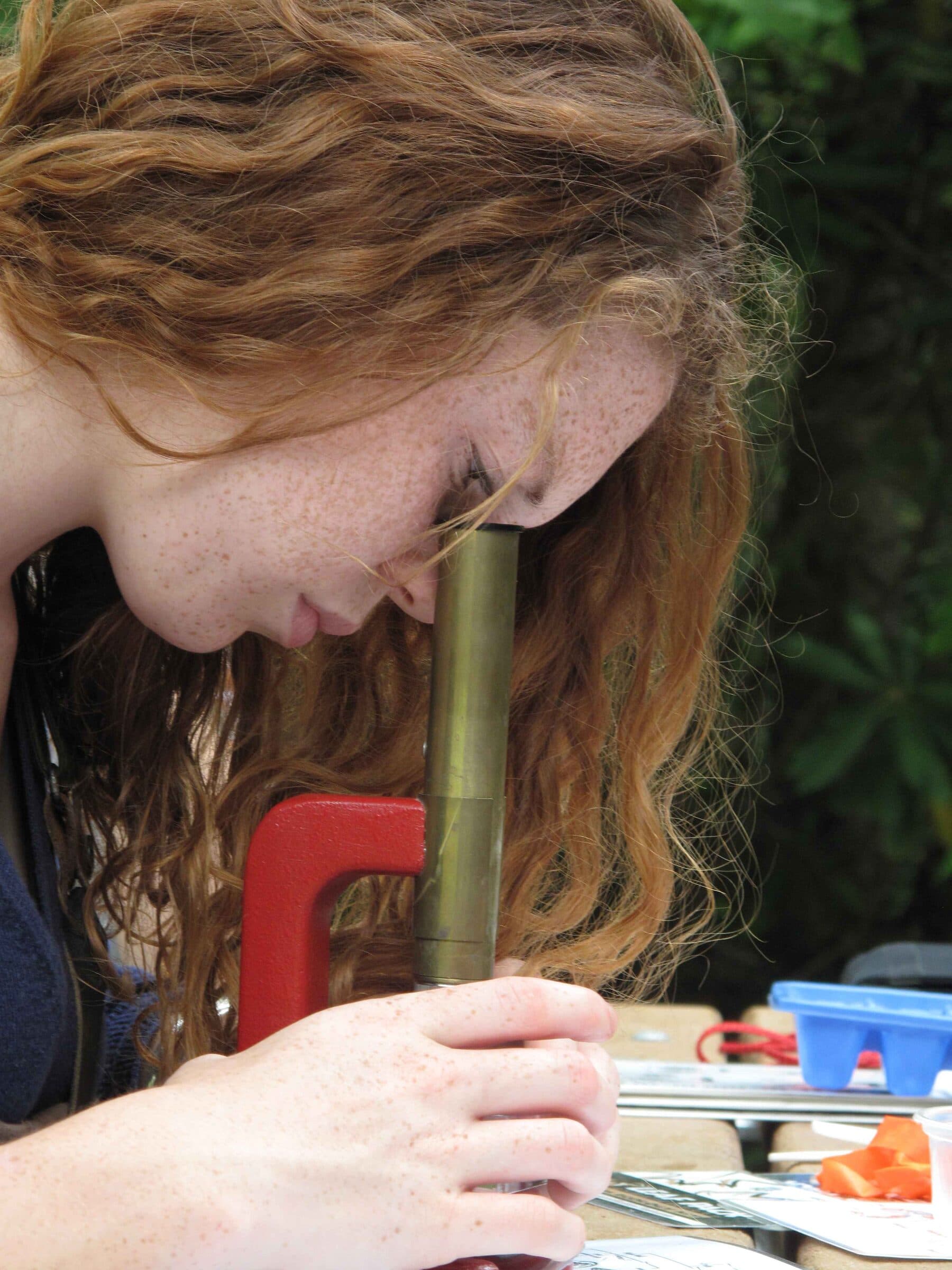
Present the lesson
- 45–60 minute lesson · ages 12–18
- A nine-slide presentation to project, covering learning objectives, three activities, an evidence-strength discussion, and an exit ticket. Arrow keys move through it, F fills the screen, and N shows teacher notes on your machine without putting them on the projector.
- Printable handout
- The same lesson prints one slide to a page with the teacher notes attached—use the print button in the presentation, or the Markdown pack if you would rather edit it first.
Lesson areas
- Particle classification
- Compare fragments, fibres, films, beads, pellets, and foam using size and shape.
- Product lifecycle
- Follow a synthetic garment or tire from manufacture through use, shedding, transport, and disposal.
- Reading a study
- Identify sample size, controls, detection limits, units, and what the design can support.
- Local investigation
- Map litter pathways or audit classroom materials without claiming to chemically identify particles by sight.
Inside the pack
- Lesson · Microplastics: particles, pathways & evidence
- 45–60 minutes, ages 12–18, with teacher notes and an exit ticket.
- Activity 01 · Sort by size, shape, and source
- Students classify particle forms and record why visual classification is not chemical confirmation.
- Activity 02 · Read a study without overclaiming
- Method, finding, limitation, next question—four columns students fill in for any paper.